Iodine is Toxic? Nope.

The Iodine Files: Why the Most Misunderstood Nutrient Might Be Your Missing Link
Carnivore? Keto? Your diet isn't broken. Your iodine status is.
TL;DR
• Over one-third of the global population is iodine deficient—the most common preventable cause of mental impairment worldwide
• U.S. iodine levels have dropped 50% over 50 years—from 2.6% severe deficiency (1971-74) to 14.5% (1988-94), with 56.9% below WHO recommendations by 2005-08
• Even carnivore and keto don't provide adequate iodine unless you're eating coastal-raised animals or lots of seafood—Carnivore proponent Dr. Ken Berry supplements despite his diet
• Toxic halides (bromide, fluoride) compete with iodine in your body—found in flour, seed oils, water, fire retardants, and plastics
• Lynne Farrow's "Perfect Storm" theory: Bromine replaced iodine in flour in the 1970s while brominated fire retardants flooded our environment—creating the iodine deficiency crisis
• Iodine deficiency isn't just thyroid—it affects every glandular tissue: breasts, ovaries, prostate, pancreas, and all cells in your body
• The 150 microgram RDA prevents goiter but doesn't optimize health—Japanese intake averages 2-13.8 milligrams daily (13-92x higher) with dramatically lower breast and prostate cancer rates
• Standard blood work misses iodine deficiency—blood tests show snapshots, not tissue storage; functional testing reveals the full picture
• Medical iodophobia is real: doctors fear "iodine-induced hypothyroidism" despite evidence showing iodine treats Hashimoto's and Graves' disease
The Cognitive Cost of Deficiency
According to the World Health Organization's nutrition data, iodine deficiency is the most common global preventable cause of mental impairment. Over one-third of the global population is exposed to iodine deficiency, with mountain regions particularly vulnerable. Serious iodine deficiency during pregnancy can result in stillbirth, spontaneous abortion, and congenital abnormalities including cretinism—a form of severe developmental delay now called pediatric hypothyroid syndrome.
Dr. John Campbell reveals the stakes are higher than most realize. Discussing research on iodine's impact, he notes that even subclinical deficiency—not severe enough to cause overt cretinism—still results in measurably reduced intelligence in children whose mothers were deficient during pregnancy and early development.
We're not just talking about fatigue and weight gain. We're talking about cognitive function across entire populations being compromised by a preventable nutritional deficiency.
You optimized your macros. You're carnivore, keto, or some variation that cleaned up your metabolic dysfunction. You've dialed in your circadian biology, reduced nnEMF exposure, and you're getting morning sunlight. You're doing everything the Bitcoin health maximalists recommend.
And yet... something's still off.
Maybe it's the brain fog that won't quite clear. The anxiety that creeps in for no reason. The fibrocystic breasts that conventional medicine tells you are "normal." The prostate issues your doctor dismisses as "just getting older." The chronic fatigue despite perfect sleep hygiene.
What if I told you the problem isn't your diet—it's a deficiency so common, so normalized, that mainstream medicine barely checks for it anymore?
Welcome to the iodine paradox: the nutrient that's simultaneously essential for every cell in your body and mysteriously absent from almost everyone's biology.

The Lies Your Doctor Told You
Let's start with the most pervasive medical myth: "You're allergic to iodine."
Dr. Ken Berry dismantles this immediately. Every cell in the human body contains a sodium iodine co-transporter—a specialized transport protein that actively pulls iodine into cells. Your body doesn't build infrastructure for nutrients it doesn't need.
The confusion comes from three sources: seafood protein allergies (not the iodine), povidone-iodine reactions (you're reacting to the nitrogenous structure, not the iodine), and radiological contrast dye reactions (again, other compounds, not the iodine itself).
Berry's key point: if you could somehow extract every element of iodine from your body, you'd die within an hour. That's how vital iodine is to cellular function.
Iodine is an essential mineral. Your body can't make it. You have to get it from your diet. And you will get sick, suffer, and eventually die without it.
The RDA Was Never About Optimization
The current U.S. recommendation is 150 micrograms per day. This number was established nearly 100 years ago, and here's the critical detail most people miss: it was designed to prevent goiter, not optimize health.
Dr. John Campbell and Dr. Suneel Dhand walk through the history in their discussion. In the 1920s, as the U.S. population moved westward into the Great Lakes region, doctors noticed an epidemic of goiters—swollen thyroid glands caused by severe iodine deficiency. The soil in these regions is among the most iodine-depleted in the world.
A researcher from Case Western Reserve determined the minimum amount of iodine needed to prevent goiter in livestock, then adjusted for human weight: about 150 micrograms per day. The government mandated iodized salt, and the visible goiter epidemic disappeared.
Public health miracle? Sure. But optimal health? Not even close.
Campbell emphasizes that while there's enough iodine in iodized salt to prevent goiter, it's insufficient for the body's broader iodine requirements. The thyroid holds the highest concentration of iodine, but it only contains 1-2% of your body's total iodine stores. The rest? Breasts, ovaries, prostate, pancreas, salivary glands, muscles, fat, skin—every tissue, every cell in your body, requires iodine for normal function.
Research published in PMC (PubMed Central) on the correlation between iodine and metabolism confirms what Dr. Campbell describes: iodine plays critical roles in metabolic rate control, energy levels, weight management, brain function, cardiovascular health, and fetal development. Many organs actively accumulate iodine beyond the thyroid: salivary glands, stomach, lactating mammary glands, ovaries, prostate, and pancreas.
The Japanese Don't Have This Problem
Average iodine intake in Japan: 2-13.8 milligrams per day. That's 13 to 92 times higher than the U.S. RDA.
Breast cancer incidence in Japanese women: dramatically lower than in the United States. Same with prostate cancer in men.
Dr. David Brownstein shares the migration study that proved this wasn't genetic. After WWII, American servicemen married Japanese women and brought them to the United States. These women had very low breast cancer rates in Japan. But by their 50s and 60s in America, their rates rose halfway between their sisters in Japan and American-born women. Their U.S.-born daughters? Same rates as other American women.
It's environmental. It's dietary. It's iodine.
The primary source? Seaweed. Kelp salad can contain 12 milligrams of iodine in a single serving. Fish and shellfish contain reasonable amounts, but seaweed is the champion.
And before you think, "Well, I don't eat seaweed, but I use iodized salt"—that salt contains just enough to prevent goiter. It's not optimizing your glandular health. It's not protecting you from the toxic halides displacing your iodine receptors.
Carnivore? Keto? Still Not Enough.
Here's where it gets interesting for the carnivore and keto and low carb diet community: even these nutrient-dense diets don't provide adequate iodine.
Dr. Ken Berry—a carnivore advocate who literally raises regenerative livestock—supplements with Lugol's iodine despite eating beef, butter, bacon, and eggs daily. His reasoning?
"I think almost everybody's deficient in iodine. They don't get enough iodine. Unless you live near the ocean within 20 miles and you eat beef, butter, bacon and eggs that is raised on that soil within 20 miles from the ocean, or you eat lots of seafood, you're going to be deficient in iodine."
Berry identifies iodine as one of only three nutrients (along with vitamin D3 and K2) that even a perfect carnivore diet may not provide in adequate amounts. The soil depletion is that severe—decades of intensive agriculture have either stripped iodine from the soil or locked it up in forms inaccessible to plants and the animals that eat them.
This is why even health-conscious Bitcoiners eating grass-fed ribeyes and pastured eggs can still struggle with thyroid issues, fibrocystic breasts, anxiety, and cognitive fog. The diet is solid. The soil isn't.
Iodized salt? Berry's perspective aligns with what we know about refined table salt: it's stripped of minerals, the iodine content is unreliable (it sublimates into air after opening), and only about 10% is absorbable. Even high-quality sea salts like Celtic or Redmond Real Salt retain trace minerals but have inconsistent, often inadequate iodine levels, to say nothing of their own lead levels.
The carnivore community prides itself on nose-to-tail eating, and while consuming thyroid tissue does provide some iodine, it's nowhere near the 2-13.8 milligrams daily that Japanese populations consume. You'd need to eat thyroid tissue constantly—and even then, you're only addressing thyroid needs, not the iodine requirements of every other cell in your body.
The Halide Heist: Bromide, Fluoride, and Competitive Inhibition
Here's where it gets worse. You're not just iodine-deficient. You're actively being poisoned by iodine mimics.
The halides—Group 17 on the periodic table—include iodine, chloride, bromide, and fluoride. They're similar in size and shape, which means they compete for the same receptors in your body.
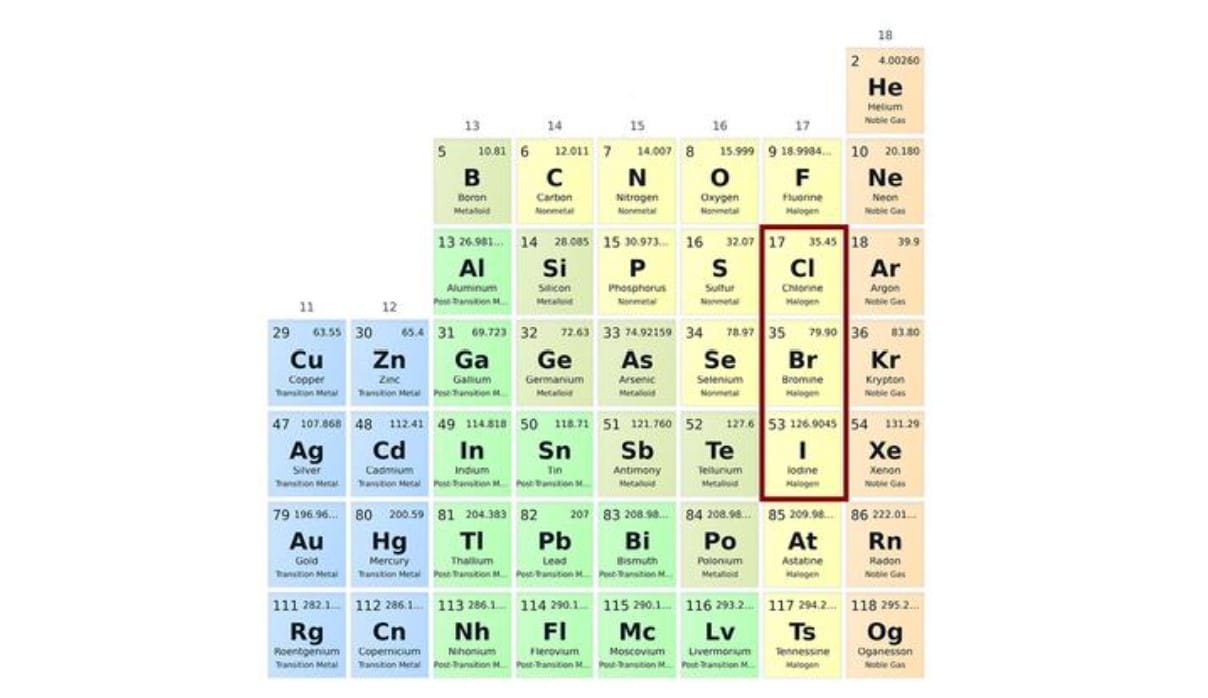
Iodine and chloride are essential. Bromide and fluoride? Toxic. And they're everywhere.
Bromide sources:
• Flour (used to be iodine until the 1970s—now it's bromide) • Brominated vegetable oils (BVOs) in sodas and baked goods • Pesticides • Plastic packaging • Fire retardants in mattresses, carpets, curtains, computers, phones
Fluoride sources:
• Municipal water supplies • Toothpaste • Dental treatments
Dr. David Brownstein's research with Dr. Guy Abraham found a clear pattern: the sicker patients were, the more bromide they had accumulated and the less iodine. In his breast cancer patients, he found twofold higher bromide and twofold lower iodine compared to women without breast cancer.
Animal studies demonstrate you can brominate thyroid hormone—T4 with four bromide atoms instead of iodine. Brownstein points out we don't really know the full effects of brominated thyroid hormone, but one thing is certain: we weren't designed to have bromine in place of iodine. Bromine is toxic to the body.
When you supplement with iodine, it displaces these toxic halides through competitive inhibition. This is why some people feel worse initially—they're detoxing bromide and fluoride. The solution? Go slow, increase salt intake (chloride helps clear bromide), and support your body through the process.
Hair Tissue Mineral Analysis (HTMA) reveals what blood work misses: a 2-3 month metabolic record showing mineral status, toxic metal accumulation (including heavy metals that displace iodine and block enzymes), critical ratios affecting thyroid function, and your oxidative type. It's verification, not guesswork—a blockchain of your biochemistry.
Standard labs compare you to sick populations. Functional testing compares you to optimal ranges.
$225 gets you the complete test kit, lab results, and my comprehensive educational video walking you through every marker.
I don't treat diseases—I investigate what's causing them: Upstream dysfunction in your hormone, immune, digestion, detoxification, energy production, and neurological systems.
HTMA shows you where to look, what's blocking optimization, and how minerals interact with iodine utilization.
Ready to verify your biology?
CONTACT ME: GeorgeCapetanos@SleuthWellness.com SUBJECT: HTMA
Lynne Farrow's Perfect Storm: The Patient Activist Who Connected the Dots
If you're wondering how we got here—how an entire population became systematically depleted of an essential nutrient—you need to understand Lynne Farrow's "Perfect Storm" theory.
Farrow wasn't a doctor. She was a journalist and breast cancer survivor who spent years battling brain fog, chronic fatigue, fibrocystic breast disease, and a cascade of mysterious symptoms that no doctor could explain. When she was finally diagnosed with breast cancer, she did what journalists do: she started digging.
What she uncovered became the 2013 book The Iodine Crisis: What You Don't Know About Iodine Can Wreck Your Life—a patient-driven investigation that helped birth the grassroots iodine movement.
Farrow discovered the smoking gun: "The Iodine Crisis began when bromine use escalated over the last 30 years. Bromines deplete essential iodine." In the 1970s, bromine replaced iodine as a dough conditioner in commercial flour. At the exact same time, brominated flame retardants began saturating our environment—in mattresses, furniture, carpets, electronics, and vehicles.
Think about the exposure:
• You sleep on a brominated mattress for 8 hours every night • You sit on brominated furniture • You walk on brominated carpets • You eat bread made with brominated flour • You drink sodas with brominated vegetable oils (hopefully not this one) • You're surrounded by brominated electronics
This is the Perfect Storm: Iodine systematically removed from the food supply while its toxic competitor floods every corner of your environment.
Farrow founded Breast Cancer Choices and became a fierce advocate for iodine research transparency. She didn't just theorize—she connected with the pioneering doctors (Abraham, Brownstein, Flechas) and helped thousands of patients reclaim their health through iodine supplementation.
Her work revealed what mainstream medicine refused to acknowledge: the iodine deficiency epidemic isn't an accident. It's the predictable result of industrial decisions that prioritized convenience over health.
Medical Iodophobia: The Fear That Keeps You Sick
Here's the most frustrating part: doctors are terrified of iodine.
The common medical belief is that iodine causes or worsens autoimmune thyroid disease—Hashimoto's thyroiditis and Graves' disease. This fear is so pervasive that Brownstein and Abraham coined a term for it: medical iodophobia.
Yet Campbell recalls an old medical school teaching:
"If you know not the where, when, and why, give ye then the K and I"
This principle—used for generations—recognized iodine's fundamental importance. Now? It's been completely abandoned, replaced by fear and pharmaceutical dependency.
But the evidence doesn't support the fear. In fact, the evidence shows the opposite.
Dr. Brownstein shares his personal experience: both his daughters were diagnosed with Hashimoto's disease at ages 10 and 11, with raging autoimmune thyroid antibodies in the hundreds. The kicker? They were already taking iodine at the time, so iodine didn't cause their condition.
He put them on a holistic treatment regimen, but iodine was the only major change. Over time, their antibody levels dropped in linear correlation. Now at ages 28 and 29, one daughter has zero signs of Hashimoto's, while the other has very low antibody levels with no symptoms.
His conclusion is direct:
"If iodine caused Hashimoto's, and my daughters' Hashimoto's disappeared while taking iodine, then iodine doesn't cause Hashimoto's. To disprove a hypothesis, you only need an N of one."
Judy Cho, functional nutrition practitioner from Nutrition with Judy, confirms this clinically. Since having Dr. Brownstein on her podcast two years ago, she's recommended iodine in all supplement protocols. Her observation: every single Hashimoto's client who takes iodine sees their antibodies drop tremendously.
The mechanism? When you're iodine-deficient, bromide and fluoride occupy your iodine receptors. This creates dysfunction. Your immune system recognizes something is wrong and attacks. Restore proper iodine levels, displace the toxic halides, and the immune attack subsides.
A 2013 article in The Lancet stated that iodine deficiency in pregnant women in the UK should be treated as an important public health issue requiring attention. That was over a decade ago. No updated guidelines. No public health campaign. The same deficiency persists, normalized and ignored.
Iodine and Glandular Disease: It's Not Just Your Thyroid
Iodine's primary job in glandular tissue is to maintain normal architecture. When iodine is deficient, glands follow a predictable progression:
• Stage 1: Cysts form
• Stage 2: Nodularity develops (cysts become hard and form firm lumps)
• Stage 3: Tissue becomes hyperplastic (cells multiply excessively, creating abnormal tissue growth)
• Stage 4: Cancer develops
This progression has been demonstrated in animal, test tube, and human studies. Iodine can halt this cascade wherever it catches it—and sometimes reverse it.
Current statistics:
• Thyroid cancer is the fastest-growing cancer in the United States
• One in seven women will be diagnosed with breast cancer
• One in three men are estimated to have prostate cancer
• Pancreatic cancer is growing at epidemic rates—now affecting people in their 40s and 50s
Brownstein emphasizes that we have a crisis with glandular tissues, and iodine deficiency is the fundamental problem driving it.
Fibrocystic breast disease affects at least 50% of premenopausal women according to research on changes in dietary iodine and breast cancer. It's characterized by cysts and areas of fibrous tissue in the breasts, and is associated with an increased risk of developing breast cancer. Women feel lumps and understandably panic. Conventional medicine offers little beyond "watchful waiting."
But giving iodine resolves fibrocystic breast disease in most cases. Research confirms that iodine deficiency is directly associated with fibrocystic breast disease, and that the condition can be effectively treated with iodine supplementation. Yet it remains common because iodine remains ignored.
Lynne Farrow's own experience validates this: after years of fibrocystic breasts and "countless needle biopsies," she was finally diagnosed with breast cancer. It was only after discovering iodine that she understood the connection between her decades of breast cysts and iodine deficiency.
Brownstein's clinical observation is unequivocal: if a woman has fibrocystic breast disease, she's iodine deficient. Period. Same with ovarian cysts, autoimmune thyroid disease, and cysts in the pancreas, uterus, or prostate.
The Cancer Connection You Won't Hear From Your Oncologist
Dr. Campbell discusses critical research: women with goiter caused by iodine deficiency have three times more breast cancer than women without iodine-deficient goiter.
That's severe deficiency. But what about subclinical deficiency—the kind affecting most of the U.S. population?
PMC research on dietary iodine changes explains the increasing incidence of breast cancer with distant involvement in young women. Breast cancer rates in younger women have been increasing since the mid-1970s, often presenting at later stages. Iodine deficiency has been proposed to play a causative role in breast cancer development, while dietary iodine appears to play a protective role.
The Japanese data is compelling: Japanese women have exceptionally low breast cancer incidence. But emigration of Japanese women who adopt Western diets is associated with dramatically higher breast cancer rates—the same migration pattern Brownstein described.
The mechanisms by which iodine protects against cancer are well-documented:
• Antioxidant effect—Iodide has been found to be highly efficient in scavenging reactive oxygen species that damage DNA
• Anti-inflammatory and immunomodulatory effects—A healthy immune system catches and eliminates early-stage cancer cells
• Promotes differential apoptosis—Iodine encourages abnormal cells (like cancer cells) to self-destruct while leaving healthy cells alone
• Activates p53 tumor suppressor gene—This gene produces proteins that prevent malignant cells from forming
• Necessary for maintaining healthy breast tissue structure—Without adequate iodine, tissue architecture degrades through the progression of cyst formation, nodularity, hyperplasia, and eventually cancer
• Reduces hyperresponsiveness to estrogen—When iodine is low, estrogen has an exaggerated effect, driving excessive cell division and abnormal nuclear changes in breast tissue (this estrogen dominance is also a primary driver of weight gain, particularly around the hips and thighs, something I see routinely in both male and female clients).
Research on the sodium/iodide symporter (the transport protein that actively moves iodine into cells) reveals that iodine is actively taken up by breast tissue through this transport mechanism, which is crucial in promoting normal versus neoplastic (cancerous) breast tissue development.
Young women and pregnant women have lower urinary iodine levels than men of similar age, according to temporal body iodine studies. Women of childbearing age exhibit the lowest urinary iodine levels of any age group. The ovaries and breasts concentrate iodine. When it's scarce, these tissues suffer first.
Iodine is also necessary for breast remodeling during lactation and pregnancy—critical periods when iodine demands are highest but stores are often lowest.
The Shocking Timeline of Deficiency
Here's where the data becomes alarming. National Health and Nutrition Examination Surveys documented a significant decrease in urinary iodine levels in the overall U.S. population:
1971-1974: Only 2.6% of the population was iodine deficient (below 50 μg/L)
1988-1994: A staggering 14.5% of the population was iodine deficient by WHO criteria—representing a 5.6-fold increase since the early 1970s
Females showed higher frequency of iodine deficiency than males (15.1% versus 8.1%). Lower urinary iodine levels in Black relative to white women may also explain the greater increase in frequency of malignant breast cancer in Black women.
2005-2008: Pregnant women had median urinary iodine levels of 125 μg/L, and 56.9% had levels less than the WHO recommended 150-249 μg/L
The WHO recommends 100-199 μg/L urinary iodine as adequate, with levels less than 100 μg/L indicating insufficient population iodine intake.
This timeline perfectly correlates with Lynne Farrow's Perfect Storm theory: Bromine replaced iodine in flour in the 1970s, and deficiency rates exploded. Breast cancer in young women began increasing in the mid-1970s. The correlation is undeniable.
The Testing Divide: Why Your Doctor Won't Check
Most conventional doctors don't routinely test iodine status. It's simply not on their radar. If they do test—which is rare—they'll order a serum iodine blood test through LabCorp or Quest Diagnostics.
Blood tests show a snapshot of what's circulating right now. They don't reveal tissue storage or long-term deficiency patterns. Your body will sacrifice long-term health to maintain "normal" blood levels today.
Functional medicine practitioners use a different approach: the 24-hour urinary iodine loading test. Research from King's College London on urinary iodine concentration explains the mechanism: In healthy, iodine-replete adults, more than 90% of dietary iodine is absorbed from the small intestine, and more than 90% is excreted within 24-48 hours.
This is the basis for the loading test: You take a 50mg iodine loading dose, collect urine for 24 hours, and measure how much you excrete. If you're iodine-replete, you'll excrete about 90% of what you took. If you're deficient, your body holds onto it—you might only excrete 20-30%. This protocol was developed by Dr. Guy Abraham and has been validated in clinical research—the 50mg dose is cleared within 24 hours by healthy kidneys, which is precisely why it's diagnostic.
Want to run a 24-hour urinary iodine loading test? Contact me about adding it to your HTMA panel through LabCorp. While HTMA will point to iodine deficiency based on other metabolic markers and mineral ratios, the 24-hour loading test provides direct confirmation of your body's iodine status and retention patterns.
But here's the practical reality: iodine deficiency rarely exists in isolation. The same toxic environment depleting your iodine is also displacing essential minerals, accumulating heavy metals, and disrupting metabolic function across multiple systems.
This is why I lean toward comprehensive functional testing that reveals the interplay between systems—not just a single marker.
The Dosing Question: How Much Do You Actually Need?
The RDA is 150 micrograms. Iodized salt provides roughly that amount. But as we've established, this only prevents goiter—it doesn't optimize health.
Dr. Brownstein's clinical practice shows most patients benefit from 25 milligrams daily—that's 25,000 micrograms, over 160 times the RDA. For patients with glandular disease or cancer, doses may be higher, individualized based on tolerance and medical conditions.
Forms of iodine matter tremendously.
For his first decade of holistic practice, Brownstein used iodide alone (the reduced form) with disappointing results. Patients didn't improve. It wasn't until he switched to a combination of iodine and iodide—like Lugol's solution or Iodoral—that patients started responding. Energy improved, brain fog cleared, thyroid function normalized.
Lugol's iodine (2% or 5%) provides both forms. One drop of 5% Lugol's = 6.25 milligrams of iodine. Four drops = 25 milligrams.
Dr. Ken Berry personally uses J. Crow's Lugol's iodine, purchased on Amazon. He has no financial affiliation—he simply recognizes the deficiency is too widespread to ignore, even among carnivores eating the cleanest diets.
Concerns about excess iodine:
About 98% of orally consumed iodine is cleared through the kidneys. Doses of 50-200 milligrams shouldn't cause toxicity problems for people with normal kidney function.
The key: Start slow. If you've been severely iodine-deficient and your tissues are saturated with bromide, ramping up too quickly can trigger detox symptoms—the "bromide detox" or Herxheimer reaction. Increase salt intake (unrefined salt like Redmond Real Salt), support your kidneys, and titrate up gradually. This is why my clients are coached on the practice of titration when introducing any supplement—starting low, increasing slowly, and monitoring response prevents unnecessary discomfort while allowing the body to adapt and clear accumulated toxins safely.
Beyond Diet: Why Carnivore and Keto Aren't Enough
Let's address the elephant in the room: You're doing carnivore, keto, paleo or some other low-carb, low sugar variation. You've cleaned up your diet. You're eating nutrient-dense animal foods. So why are you still struggling?
Because diet alone can't overcome:
• Decades of iodine depletion
• Toxic halide accumulation displacing your iodine receptors
• Heavy metal burden blocking your enzymes • Glandular tissue dysfunction from years of deficiency
• Soil so depleted that even grass-fed animals can't provide adequate iodine
Carnivore and keto are powerful frameworks. But they work when your underlying biology can execute them properly. If your minerals are depleted, if bromide and fluoride are blocking your iodine receptors, if your thyroid is struggling to make T3 because it doesn't have the raw materials—you can eat the cleanest grass-fed ribeyes on earth and still feel suboptimal.
You need to go beyond diet. You need personalized data that respects your bio-individuality.
Not everyone can eat oysters and seafood daily. Not everyone lives near the coast. Most of us have jobs, families, real-world constraints. But that doesn't mean we can't address fundamental deficiencies. Perfect is the enemy of good—and addressing iodine deficiency is one of the highest-leverage interventions you can make regardless of where you live or how optimized your environment is.
Research also shows that certain foods can help reduce breast cancer risk when combined with adequate iodine: vitamin D and K2, phytonutrients, cruciferous vegetables (cauliflower, cabbage, kale, garden cress, bok choy, broccoli, Brussels sprouts), and omega-3 fatty acids. These work synergistically with iodine to protect glandular tissues.
For the carnivore and keto communities, this research highlights the importance of synergy. While iodine is the cornerstone for protecting glandular tissue, its effectiveness is significantly enhanced by other fat-soluble nutrients. For those on an animal-based diet, this means ensuring robust intake of Vitamin D (from sunlight or high-quality animal fats), Vitamin K2 (abundant in grass-fed dairy, butter, and egg yolks), and Omega-3s (from fatty fish and seafood). These are the powerful, bioavailable cofactors that work with iodine to support optimal cellular health.
The Question No One's Asking: Why Are We Still Deficient?
Iodine levels in the U.S. have fallen 50% over the last 50 years. This isn't an accident. It's the result of:
• Soil depletion—Intensive agriculture without mineral replacement has stripped iodine from farmland, particularly in the US Great Lakes region and other inland areas. The iodine that remains is often locked in forms inaccessible to plants.
• Halide contamination—Bromide replaced iodine in flour in the 1970s; fluoride was added to water supplies; both displace iodine
• Dietary shifts—Fewer people eat seaweed, fish, and shellfish; most don't live near the ocean where atmospheric iodine is higher
• Medical iodophobia—Doctors actively discourage iodine supplementation based on outdated fears
Campbell's observation bears repeating: iodine deficiency is the most common global preventable cause of mental impairment. It's been known for 150 years that severe iodine shortage causes cretinism. But subclinical deficiency—not severe enough to cause overt cretinism—still reduces intelligence in children whose mothers were deficient during pregnancy and early development.
We're not just talking about physical health. We're talking about cognitive function across entire populations being compromised by a preventable deficiency.
And yet... crickets. No public health campaign. No updated guidelines. The problem persists, normalized and ignored.
What Good Is Financial Freedom If Your Biology Is Broken?
You've secured your keys. You've stacked sats. You've protected your financial future.
But what's the point of all that if you're exhausted, anxious, inflamed, and struggling with glandular disease at 50? What good is wealth if you don't have the health to enjoy it?
Iodine is cheap. It's accessible. And for most people, it's transformative.
Lugol's iodine costs pennies per dose. A bottle lasts months. The investigation into your metabolic status is accessible and actionable.
The ROI on this investigation is absurd. Because you're not just optimizing. You're addressing a fundamental deficiency that affects every cell in your body.
This isn't about chasing perfection. It's about removing the barriers between your effort and your results.
You didn't trust centralized banks with your wealth. Why trust centralized medicine with your body?
The same instinct that led you to Bitcoin—refusal to accept surface-level answers, insistence on verification, desire for sovereignty—applies to your health. HTMA gives you months of metabolic data showing mineral status, heavy metal accumulation, and the ratios affecting thyroid and iodine utilization.
Some people take results and investigate independently. Others want guidance building personalized protocols. Both paths are valid—the key is having data to work with.
Self-custody your wellness. Verify your biology.
CONTACT ME: GeorgeCapetanos@SleuthWellness.com SUBJECT: HTMA
(Comprehensive coaching packages available at 30-40% off when paid in Bitcoin.)
Final Thoughts: The Sovereign Health Stack
The narrow window of acceptable health information keeps shrinking. Iodine fell outside that window decades ago, and most doctors won't even look at it.
But you're reading this because you already know: the most important truths usually lie outside the Overton window.
You questioned the financial system. You questioned the pandemic narrative. Now question the medical system that tells you 150 micrograms of iodine is "enough" while ignoring Japanese populations consuming 13-92 times that amount with dramatically lower cancer rates.
Question why bromide—a known toxin—replaced iodine in flour in the 1970s.
Question why your doctor will prescribe thyroid medication for life but won't check your iodine status or address the halides displacing it.
The principles of decentralization, verification over trust, and personal sovereignty aren't just for your Bitcoin wallet. They're the foundation of a resilient health stack.
Lynne Farrow proved you don't need a medical degree to change the conversation. You just need curiosity, determination, and a refusal to accept "that's just how it is" as an answer.
Your move.
Cites:
- World Health Organization (WHO) - Iodine Deficiency Data - Over one-third of global population exposed to iodine deficiency, especially in mountain regions. Most common global preventable cause of mental impairment. Serious deficiency during pregnancy causes stillbirth, spontaneous abortion, congenital abnormalities including cretinism. https://www.who.int/data/nutrition/nlis/info/iodine-deficiency
- Weston A. Price Foundation & LewRockwell.com - Comprehensive reviews on iodine benefits and risks, historical usage, optimal dosing considerations. https://www.westonaprice.org/health-topics/abcs-of-nutrition/iodine/
- King's College London - Urinary Iodine Concentration Research - In healthy, iodine-replete adults more than 90% of dietary iodine is absorbed from small intestine and more than 90% excreted within 24-48 hours. Basis for 24-hour urinary iodine loading test. chrome-extension://efaidnbmnnnibpcajpcglclefindmkaj/https://www.kcl.ac.uk/open-global/assets/open-global-iodine-2019.pdf
- PubMed/PMC - "Role of Iodine in Metabolism" - Comprehensive review of iodine functions: metabolic rate control, energy levels, weight management, brain function, cardiovascular health, fetal/child development, reduced stillbirths, infection protection, breast/ovary/uterus/prostate protection. Many organs actively accumulate iodine: salivary glands, stomach, lactating mammary gland, ovary, prostate, pancreas. https://pubmed.ncbi.nlm.nih.gov/28103311/
- PMC - "The Correlation Between Iodine and Metabolism: A Review" - Detailed analysis of iodine's metabolic functions and deficiency consequences. https://pmc.ncbi.nlm.nih.gov/articles/PMC5307254/
- PMC - "Changes in Dietary Iodine Explains Increasing Incidence of Breast Cancer with Distant Involvement in Young Women" - Documents increasing breast cancer in younger women since mid-1970s, often presenting late. Iodine deficiency proposed as causative factor. Japanese women's low breast cancer incidence, Western diet adoption correlation, sodium/iodide symporter importance in breast tissue development. https://pmc.ncbi.nlm.nih.gov/articles/PMC4703550/
- NHANES (National Health and Nutrition Examination Surveys) Data - Temporal Changes in Body Iodine - Documented significant decrease in urinary iodine levels:
- 1971-1974: 2.6% population iodine deficient (below 50 μg/L)
- 1988-1994: 14.5% population iodine deficient (5.6-fold increase, P<0.0001)
- Females: 15.1% deficient vs males: 8.1%
- Lower urinary iodine in Black vs white women correlates with greater breast cancer increases
- 2005-2008: Pregnant women median 125 μg/L, 56.9% below WHO recommended 150-249 μg/L
- The Lancet (2013) - "Iodine deficiency in pregnant women in the UK should be treated as an important public health issue that needs attention." https://pubmed.ncbi.nlm.nih.gov/23706514/
- Dr. John Campbell & Dr. Suneel Dhand - YouTube discussion on iodine deficiency, RDA history (150 μg/day for goiter prevention vs optimization), Japanese intake levels (2-13.8 mg/day), migration studies, soil depletion in Great Lakes region, cognitive impacts of subclinical deficiency, goiter belt geography, women with goiter having 3x more breast cancer, old medical school teaching "when in doubt, give iodine and potassium."
- Dr. Ken Berry - YouTube (Iodine Allergy Myth) on iodine allergy myth, sodium iodine co-transporter mechanism (transport protein that actively moves iodine into cells), seafood vs. povidone-iodine confusion.
- Dr. Ken Berry & Jesse Chappus - YouTube discussion (Iodine Carnivore Myths) on iodine supplementation necessity despite carnivore diet, soil depletion making even grass-fed animal products inadequate, personal Lugol's supplementation (J. Crow's brand), coastal geography requirements (within 20 miles of ocean) for adequate dietary iodine, identification of iodine as one of three nutrients (with D3 and K2) that carnivore may not provide sufficiently.
- Dr. David Brownstein & Judy Cho - YouTube discussion (Nutrition with Judy podcast) on Hashimoto's clinical outcomes with iodine, daughters' case studies demonstrating iodine doesn't cause Hashimoto's ("to disprove a hypothesis, you only need an N of one"), iodide vs. iodine+iodide formulations, breast cancer bromide/iodine ratios (twofold higher bromide, twofold lower iodine in breast cancer patients), glandular tissue progression (cysts→nodules→hyperplasia→cancer), fibrocystic breast disease resolution, clinical dosing protocols (25mg standard, higher for glandular disease/cancer).
- Lynne Farrow - "The Iodine Crisis: What You Don't Know About Iodine Can Wreck Your Life" (2013). Perfect Storm theory ("The Iodine Crisis began when bromine use escalated over the last 30 years. Bromines deplete essential iodine."), bromine replacement of iodine in flour (1970s), brominated fire retardant exposure timeline and sources (mattresses, furniture, carpets, electronics, vehicles, sodas, baked goods), grassroots patient activism, Breast Cancer Choices organization, personal fibrocystic breast disease and breast cancer journey, connection between patient advocacy and pioneering physician research (Abraham, Brownstein, Flechas).
- Dr. Guy Abraham - Iodine Project Research - 24-hour urinary iodine loading test protocol (50mg loading dose validated for 24-hour kidney clearance in healthy adults), bromide dominance theory, optimal iodine sufficiency ranges (90% excretion indicating repletion), collaborative research with Brownstein and Flechas establishing modern iodine therapy protocols.
- Migration Study (cited by Brownstein) - Post-WWII Japanese women marrying American servicemen: breast cancer rates increased from Japanese levels toward American levels within one generation, daughters matched American rates (demonstrating environmental vs. genetic causation of iodine-related cancer risk). https://pubmed.ncbi.nlm.nih.gov/8230262/#:~:text=Risk%20was%20unrelated%20to%20age,the%20etiology%20of%20breast%20cancer.
- Fibrocystic Breast Disease Research - Affects at least 50% of premenopasal women, associated with increased breast cancer risk. Iodine deficiency directly associated with condition. Effectively treated with iodine supplementation. https://www.collectivehealthcenter.com/tag/iodine-and-breast-health/#:~:text=Fibrocystic%20Breast%20Changes%20and%20Iodine,discomfort%20associated%20with%20fibrocystic%20changes.
- Mechanism of Iodine's Anticancer Effects - Research documenting: antioxidant effects (highly efficient ROS scavenging), anti-inflammatory and immunomodulatory effects, promotion of differential apoptosis (cancer cell death while sparing healthy cells), P53 tumor suppressor gene activation, maintenance of healthy breast tissue structure, reduction of estrogen hyperresponsiveness preventing excessive cell proliferation and abnormal nuclear changes. https://www.sciencedirect.com/science/article/abs/pii/S0303720710000626#:~:text=In%20conclusion%2C%20our%20results%20demonstrate,the%20treatment%20of%20this%20malignancy.
- Cruciferous Vegetables and Breast Cancer Prevention - Synergistic effects with iodine: vitamin D and K2, phytonutrients, cruciferous vegetables (cauliflower, cabbage, kale, garden cress, bok choy, broccoli, Brussels sprouts), omega-3 fatty acids work together to protect glandular tissues. https://pmc.ncbi.nlm.nih.gov/articles/PMC3496161/#:~:text=Cruciferous%20vegetables%20contain%20thioglucosides%20that,too%20small%20for%20meaningful%20analyses.
- Iodized Salt Research (Dasgupta et al.) - "Iodine Nutrition: Iodine Content of Salt in the United States" documenting iodine loss from sublimation after opening, low bioavailability (~10%), humidity effects on iodine retention, inadequacy of iodized salt for optimal health. https://pubmed.ncbi.nlm.nih.gov/18351111/
- WHO Urinary Iodine Recommendations - 100-199 μg/L indicates adequate population iodine intake, 150-249 μg/L recommended for pregnant women, levels below 100 μg/L indicate insufficient population intake. https://www.who.int/data/nutrition/nlis/info/iodine-deficiency
Note: This newsletter is for educational purposes only and is not intended to diagnose, treat, or cure any medical condition. Always consult with qualified healthcare providers regarding any health concerns.
Rabbit Hole Health is a newsletter by Sleuth Wellness, dedicated to helping sovereignty-minded individuals take control of their health through functional testing, personalized protocols, and verification-based approaches. We respect the Bitcoin health pioneers while acknowledging that not everyone fits the "perfect maxi" mold—and that's okay. Let not perfect be the enemy of good.
Want to go deeper down the rabbit hole? Contact GeorgeCapetanos@sleuthwellness.com or visit sleuthwellness.com to learn more about functional testing options.
P.S. — If you found this valuable, forward it to someone who's still struggling with thyroid issues, fibrocystic breasts, prostate problems, or unexplained fatigue. Sometimes the most powerful thing we can do is show them where to look.